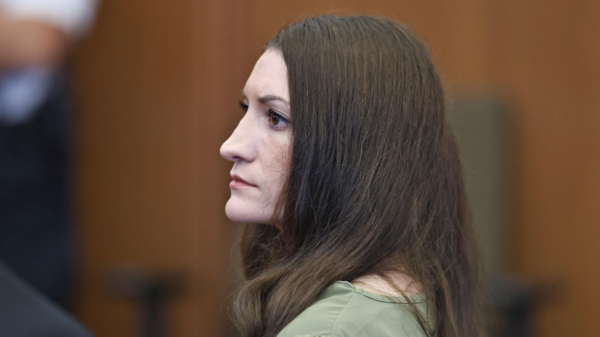
The closely watched trial ended Friday after nearly six weeks of proceedings and seven days of jury deliberations, leaving unresolved a case that has drawn national attention to postpartum mental illness and the question of criminal responsibility.
Clancy, 36, was charged with three counts of first-degree murder in the deaths of her children — 5-year-old Cora, 3-year-old Dawson and 8-month-old Callan — at the family’s home in Duxbury, Massachusetts, in January 2023. She did not dispute that she killed the children, but her attorneys argued that severe mental illness left her unable to understand the nature or wrongfulness of her actions.
Plymouth Superior Court Judge William Sullivan declared the mistrial Sept. 4 after jurors reported that they remained unable to reach a unanimous decision despite nearly 40 hours of deliberations.
The jury had repeatedly told the court it was deadlocked. According to reporting from the trial, the panel consisted of nine women and three men, and the disagreement ultimately centered on a single holdout juror.
Defense attorney Kevin Reddington made a last-minute attempt to prevent the mistrial, seeking intervention from the Massachusetts Supreme Judicial Court after arguing that the holdout juror should be removed. That effort was unsuccessful, clearing the way for Sullivan to formally end the trial without a verdict.
The case was never primarily about whether Clancy killed her children. Instead, jurors were asked to decide whether she was legally responsible for their deaths.
Prosecutors argued Clancy deliberately planned the killings and understood that what she was doing was wrong. They pointed to her actions before and after the deaths as evidence that she remained capable of rational thought.
The defense offered a sharply different explanation.
Clancy’s attorneys said she was suffering from postpartum psychosis and other serious mental-health problems following the birth of her youngest child. They argued that her mental state prevented her from being criminally responsible for what happened.
Both sides acknowledged that Clancy had struggled with mental illness. The dispute centered on how severely that illness affected her ability to understand her actions.
Jurors heard from 85 witnesses and reviewed more than 200 pieces of evidence before beginning deliberations. They had several potential verdicts available, including first-degree murder, second-degree murder, manslaughter and not guilty by reason of insanity. Any verdict required unanimity.
The mistrial does not mean Clancy has been acquitted, and the charges against her remain pending.
Plymouth County District Attorney Timothy Cruz’s office can seek another trial before a new jury, pursue a different resolution or decide not to retry the case. Cruz said after the mistrial that prosecutors had not yet made a decision about their next move.
Clancy will meanwhile remain in state custody and continue receiving psychiatric treatment at Tewksbury State Hospital.