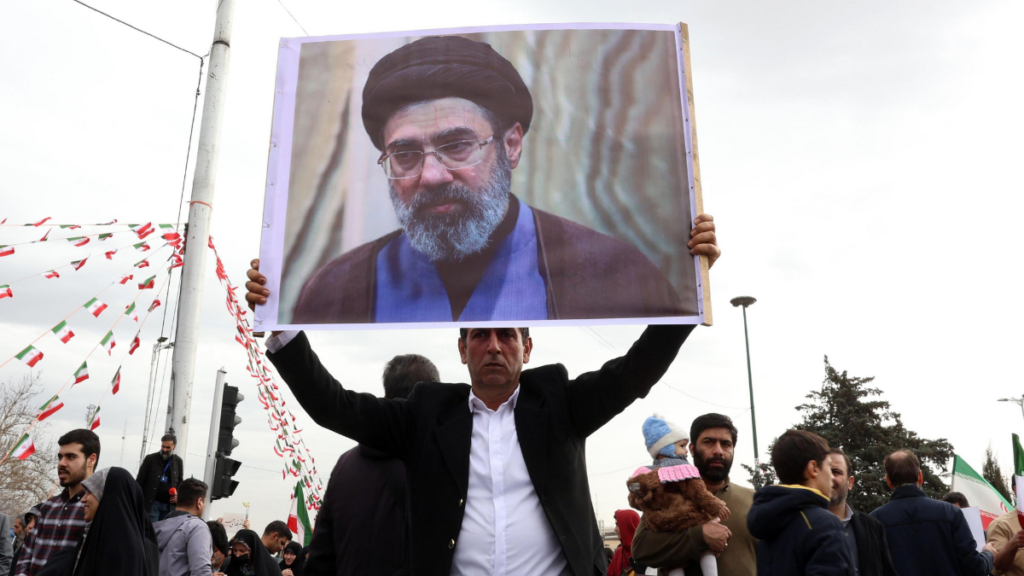
Iran has entered a new and uncertain chapter after Mojtaba Khamenei was officially named the country’s new Supreme Leader, succeeding his father, Ali Khamenei, following his death during the ongoing war.
The decision was made by Iran’s powerful Assembly of Experts, the body responsible for selecting the country’s top religious and political authority. Mojtaba Khamenei, a 56-year-old cleric long considered influential behind the scenes, has now become the third supreme leader in the history of the Islamic Republic.
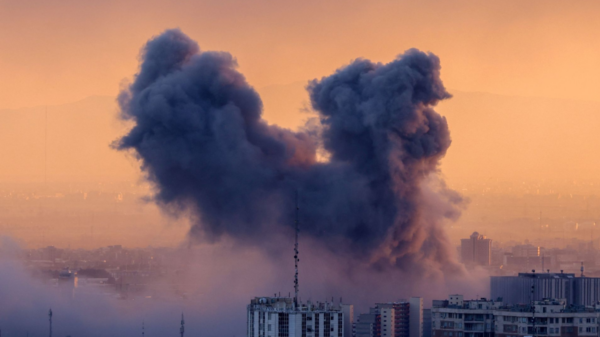
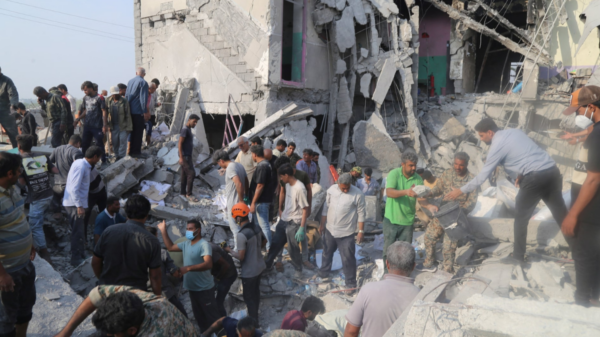
His appointment comes at a moment of extraordinary tension for Iran. Ali Khamenei was killed in a late-February strike during the expanding conflict involving Iran, the United States, and Israel—an event that sent shockwaves through the region and forced Tehran’s clerical establishment to quickly select a successor.
The elevation of Mojtaba Khamenei is historic for another reason: it marks the first time since the 1979 Islamic Revolution that Iran’s supreme leadership has passed directly from father to son.
Iran’s political system was designed to avoid hereditary rule after the monarchy of the shah was overthrown. But the younger Khamenei had long been viewed as a potential successor due to his close ties with Iran’s powerful security establishment, especially the Islamic Revolutionary Guard Corps.
Supporters within the regime argue that his appointment ensures continuity at a time when the country faces external threats and war. The Revolutionary Guards and other key institutions quickly pledged loyalty to him after the announcement.
Critics, however, see the move as a step toward dynastic rule within a system that once promised revolutionary governance rather than hereditary power.
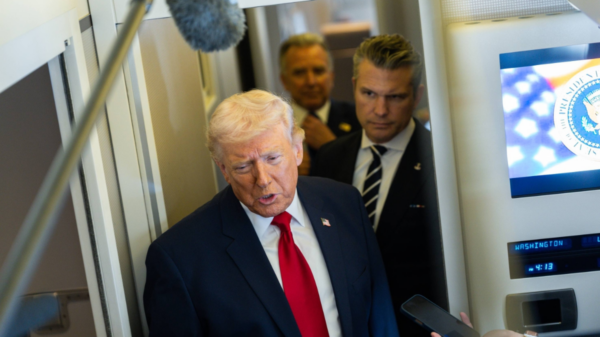
President Donald Trump said last week that he personally wants to be involved in selecting Iran’s new supreme leader, telling Axios last week that the choice would be “unacceptable”.

“They are wasting their time. Khamenei’s son is a lightweight. I have to be involved in the appointment,” he said. “Khamenei’s son is unacceptable to me.”
Trump repeated the same in an ABC News interview, saying the new leader “is not going to last long” if Iranian leaders do not get his approval.
The White House did not immediately respond to a request for comment Sunday about the selection of Mojtaba Khamenei as the new supreme leader.
The Israel Defense Forces warned Sunday that any successor to Ali Khamenei would be considered a target.
Though Mojtaba Khamenei rarely held formal public office, he was widely believed to wield significant influence inside Iran’s political and security networks for years.
He studied theology in the religious city of Qom and fought briefly in the Iran-Iraq War before becoming a trusted figure within his father’s inner circle. Over time he became deeply connected to the Basij militia and elements of the Revolutionary Guard, giving him influence over Iran’s security apparatus.
Analysts say that behind-the-scenes power helped position him for the leadership role long before the current crisis.
For Iran, the transition represents both continuity and uncertainty. Mojtaba Khamenei is expected to maintain the hardline posture of his father’s government, but his leadership will be tested immediately as Iran navigates war, economic pressure, and internal political divisions.
Whether his rule stabilizes the Islamic Republic—or deepens tensions at home and abroad—may shape the Middle East for years to come.