For years, the term “cancel culture” has been flung across America’s political and cultural battles like confetti at a parade. A celebrity makes an offensive joke, an athlete posts a controversial tweet, a college professor voices an unpopular opinion, and the chorus sings their song: they’ve been “canceled.”
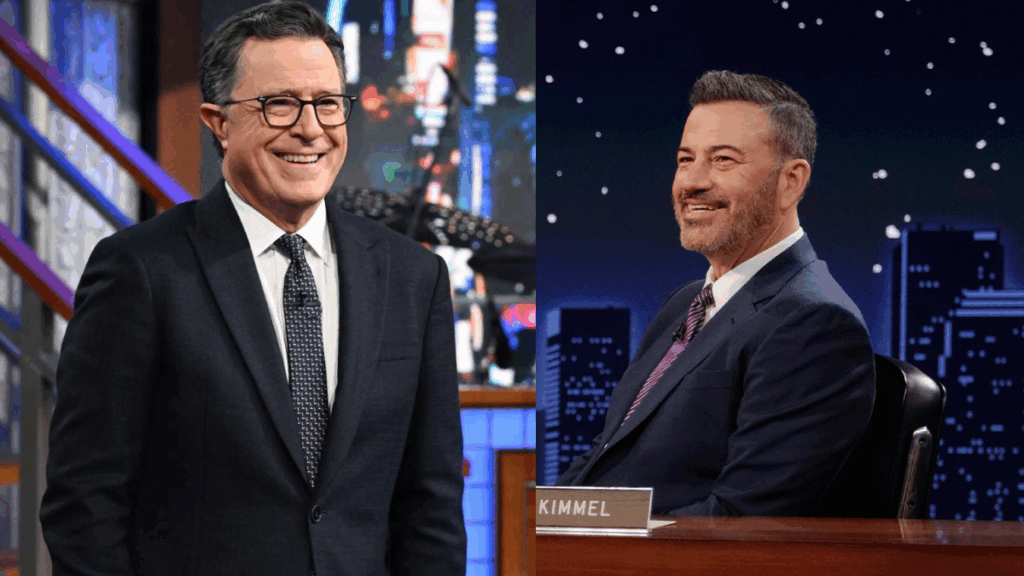
What’s happening right now in late night television — with CBS preparing to end The Late Show with Stephen Colbert and ABC abruptly pulling Jimmy Kimmel Live! from the air after federal threats — isn’t cancel culture. It’s something more dangerous. It’s the raw exertion of political power, paired with a president’s endless appetite for ego-stroking, reshaping what can and cannot be said in America’s media landscape.
Colbert’s Convenient Exit
CBS has insisted the “Late Show” was canceled for financial reasons, but the timing of the announcement comes three days after Colbert criticized the settlement between President Donald Trump and Paramount Global, parent company of CBS, over a “60 Minutes” story last year.
Colbert went after a $16 million settlement between Paramount Global and Trump. He called the deal a “big fat bribe,” noting its suspicious timing during Paramount’s pending merger with Skydance Media.
Despite the claim from Paramount that Colbert’s show has lost over $40 million, the show has remained number one in its slot. It is still profitable and culturally relevant. That’s what makes the timing so suspicious. Even if CBS made the call for internal reasons, it sends a message: criticizing Trump, or even touching his financial web, could carry consequences that go beyond the punchline.
Kimmel’s Indefinite Suspension
After the shocking decision by ABC to pull Jimmy Kimmel from the air, the answer to everyone’s question became obvious. While the network and Nexstar Media Group, which said it would be pulling Kimmel’s program from affiliates, claim the ‘offensive’ joke was about Charlie Kirk, it was not.
Kimmel blasted Trump’s lack of empathy following Kirk’s killing — and accused MAGA allies of politicizing the tragedy. That did not sit well with Trump or his MAGA allies. The Federal Communications Commission, led by Trump ally Brendan Carr, threatened action against ABC. That prompted the network to pull the plug on the late night show indefinitely.
Trump celebrated openly. He didn’t just applaud Kimmel’s absence — he gloated and threatened that NBC hosts Jimmy Fallon and Seth Meyers might be next. It was a victory lap that underscored the dynamic: when Trump is criticized, consequences follow.
Why This Isn’t Cancel Culture
Call this cancel culture is sloppy at best and dishonest at worst. Cancel culture is outrage outrage from fans or social media. What Colbert and Kimmel faced was much worse: threats from regulators, pressure on corporations, and a president cheering the silencing of his critics.

Ego Meets Power
Trump has long shown that he doesn’t just want to be respected; he wants to be obeyed. That’s why this is about ego as much as it is power. Late-night hosts have historically played a crucial role in holding leaders accountable. When they become targets of political retaliation, it isn’t comedy at stake — it’s democratic discourse.
Late night hosts aren’t above criticism. Colbert and Kimmel’s jokes can sting and leave a bruise. But the solution to speech you dislike is more speech — not presidential pressure, FCC threats, or corporate bending the knee.
Conclusion: Beyond the Laughs
If networks start wondering whether a joke might trigger blowback, comedy will get scared. If comedians are silenced, journalists won’t be far behind. And if corporations prioritize political favor over independence, the public will be left with sanitized content that flatters and cozies up to to power instead of challenging it.
Ultimately, these cases aren’t about two late night hosts. Colbert’s and Kimmel’s audiences will find other outlets for comedy and will follow them wherever they end up but the precedent being set is larger than two TV shows. If criticism of the most powerful man in the country can be silenced this easily, what happens when journalists, activists, or ordinary citizens speak out?
This isn’t cancel culture. It’s censorship through power, driven by ego. And the cost won’t be just laughs — it will be the freedom to speak truth to power at all.