































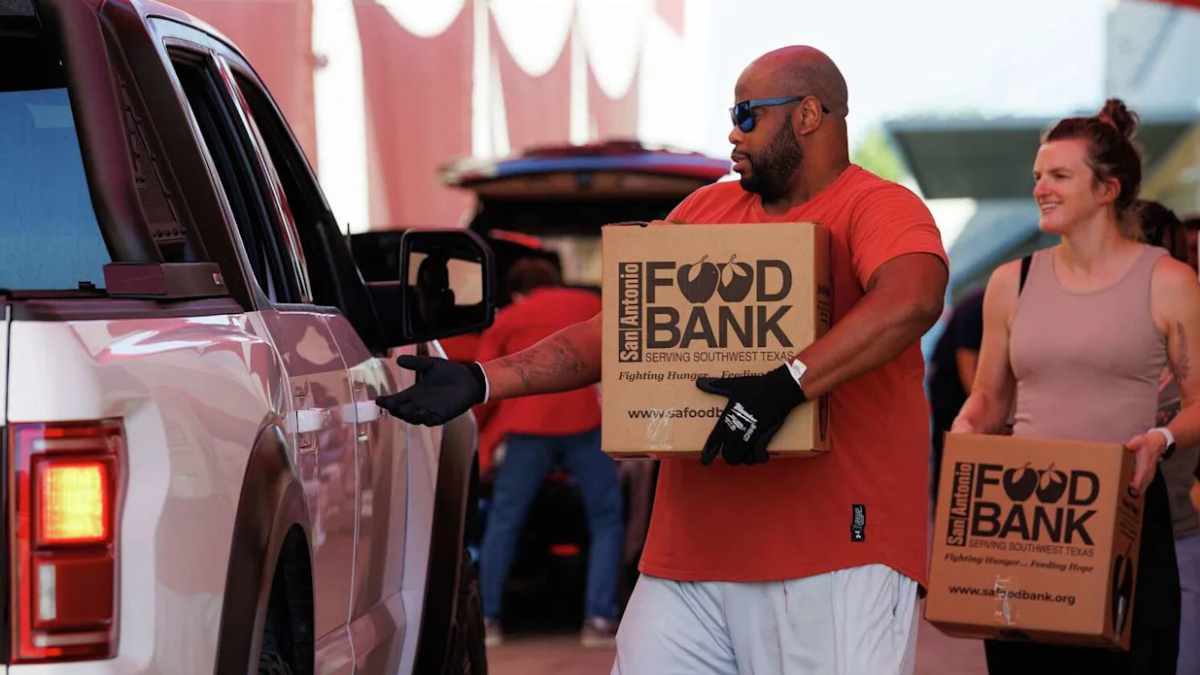
A federal judge has ordered the Trump administration to immediately deliver full Supplemental Nutrition Assistance Program payments to states by Friday, ruling that the government failed to take action to ensure low-income families receive benefits during the ongoing government shutdown.
Rhode Island District Judge John McConnell issued the order Thursday in response to a lawsuit filed by the advocacy group Democracy Forward, which accused the administration of unlawfully withholding food assistance funds amid the shutdown.
In his order, McConnell said the administration “did nothing to ensure” that SNAP payments would be distributed this week and directed the Department of Agriculture to use every available source of funding — including money from child nutrition programs known as Section 32 funds — to cover the cost.
“The evidence shows that people will go hungry, food pantries will be overburdened, and needless suffering will occur,” McConnell said. “Last weekend, SNAP benefits lapsed for the first time in our nation’s history. This is a problem that could have and should have been avoided.”
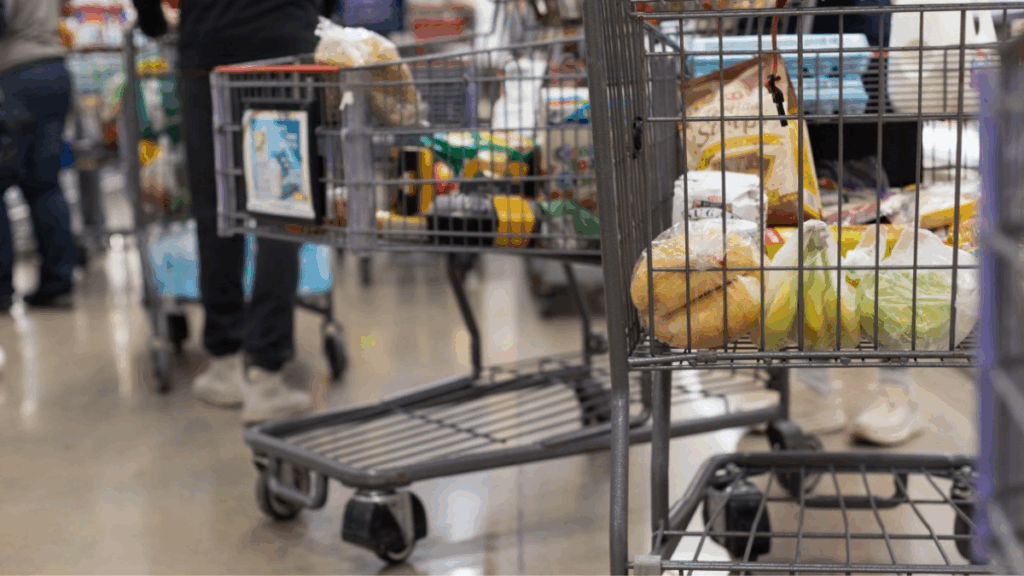
The Trump administration had previously announced plans to partially fund the program using $4.65 billion in contingency funds, saying it would take several weeks to deliver those limited payments.
SNAP, formerly known as the Food Stamp Program, provides food assistance to more than 40 million Americans each month. The Agriculture Department administers the program in partnership with state governments, which distribute the benefits directly to recipients.
The Trump administration has filed a notice saying they intend to appeal McConnell’s ruling.
During a White House dinner with leaders of Central Asian countries on Thursday, Trump deferred to Vice President JD Vance when asked about Thursday’s court ruling.
“In the midst of a shutdown, we can’t have a federal court telling the president how he has to triage the situation,” Vance said.
Nearly 42 million Americans rely on SNAP assistance. Around 4 in 5 of these households include a child, an older adult or someone with a disability.