







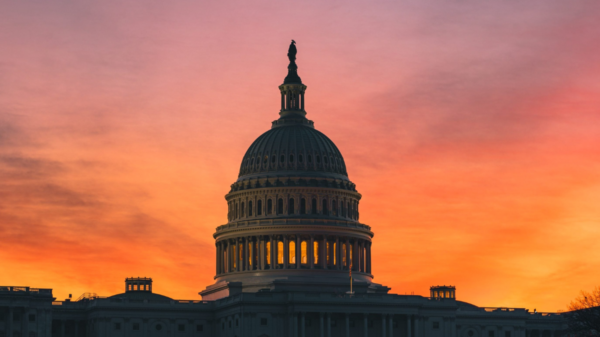


























WASHINGTON — The U.S. House of Representatives voted Tuesday to pass a major federal funding package that will end the partial government shutdown, sending the legislation to President Donald Trump’s desk for his signature. The measure narrowly cleared the House after tense debate and deep partisan divisions.
In a 217–214 vote, lawmakers approved a roughly $1.2 trillion spending package that funds the majority of federal agencies through the end of the fiscal year on Sept. 30, 2026. The deal also includes a short-term extension of funding for the Department of Homeland Security (DHS) through Feb. 13 while lawmakers continue negotiations on contentious immigration enforcement policies.
What the Vote Means
The funding package averts a broader government shutdown after a partial closure began over the weekend, affecting numerous federal operations and furloughing workers. Key departments such as the Pentagon, Department of Health and Human Services, and others will resume normal operations once the bill is signed into law.
However, DHS and immigration authorities will operate under temporary funding while lawmakers work on a separate agreement addressing reforms to Immigration and Customs Enforcement (ICE) and other homeland security policies.
A Contentious Path to Passage
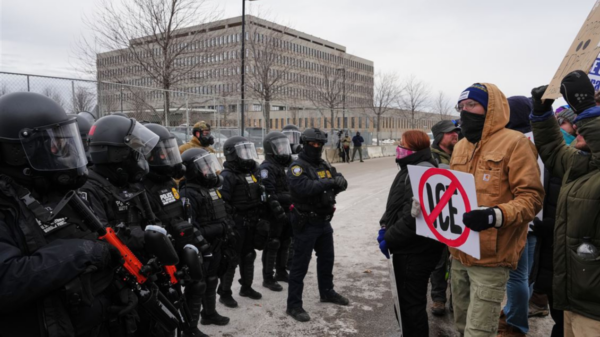
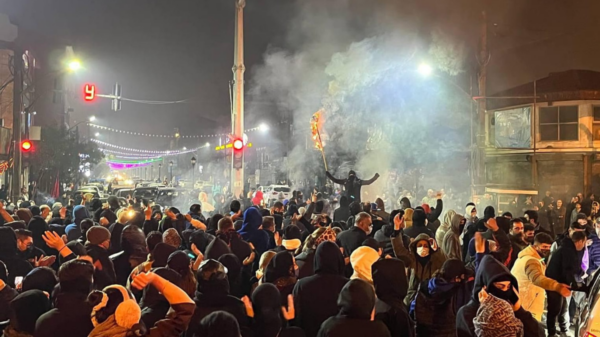
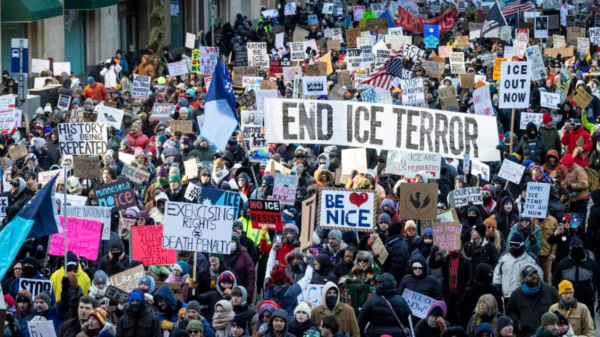
The funding fight centered on DHS and immigration enforcement, spilling over from broader disagreements over federal spending and oversight. Tensions rose after the death of an ICU nurse in Minneapolis following a federal law enforcement operation, thrusting immigration policy demands into the spotlight. Democrats insisted on reforms to ICE practices, while some conservative Republicans sought to attach measures such as proof-of-citizenship requirements for federal voting rolls.
Before the final vote, House Speaker Mike Johnson secured a crucial procedural victory that allowed the chamber to debate and consider the funding package. The initial vote passed 217–215, underscoring the narrow margins within the GOP majority.
House Democrats largely opposed the final bill, arguing it did not do enough to rein in ICE or address broader immigration concerns. Republicans who opposed the measure flagged the absence of tougher election and voter identification provisions. Despite those divisions, GOP leadership managed to secure enough support to clear the chamber.
What Happens Next
The funding bill now awaits President Trump’s signature, which he has indicated he will provide, officially ending the partial shutdown. With DHS funded only temporarily, lawmakers have until mid-February to secure a longer-term agreement on homeland security policies or risk another shutdown scenario.
Impact of the Shutdown
The partial shutdown had immediate effects on various federal operations. Thousands of employees face furloughs, and essential services such as air traffic control continue without pay. The disruption also created uncertainty for federal contractors and American families dependent on government programs.
As Congress moves forward, the focus now shifts to sensitive negotiations over immigration policy and homeland security funding — debates that could shape political dynamics well beyond the current budget cycle.