


























Travelers across the United States are facing long security lines and mounting frustration at airports as the ongoing partial federal government shutdown begins to strain the nation’s aviation system.
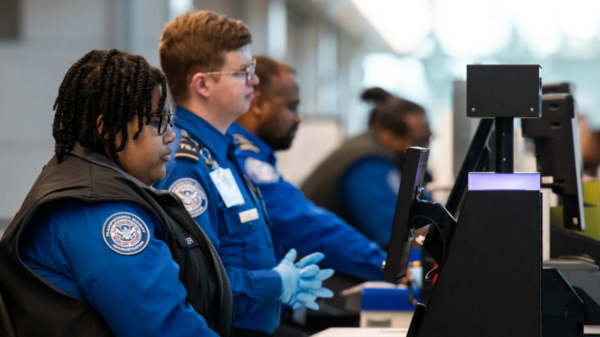
At the center of the disruption is the Transportation Security Administration, where roughly 50,000 frontline officers have continued working without pay after missing their first full paycheck last week due to the shutdown affecting the Department of Homeland Security.
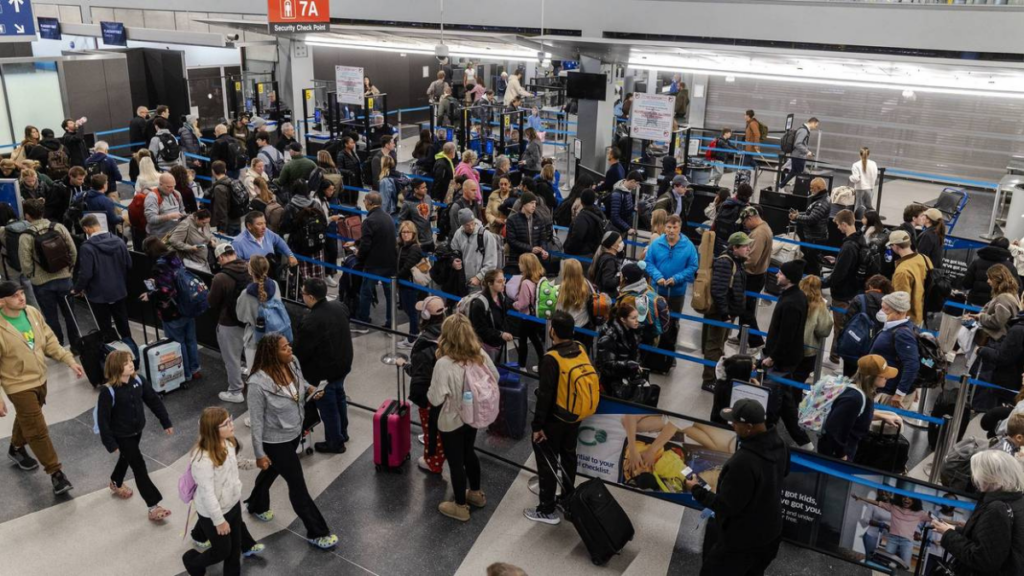
The impact has been immediate and visible at airports nationwide. Long lines have formed at security checkpoints, with some travelers reporting waits stretching up to two or even three hours to get through screening.
Compounding the problem, TSA staffing levels have begun to slip. According to government data, more than 300 TSA employees have resigned since the shutdown began, while unscheduled absences among officers have more than doubled compared with normal levels.
Several major airports have been particularly affected. Facilities including Hartsfield-Jackson Atlanta International Airport, New York’s JFK Airport, Houston’s William P. Hobby Airport, Louis Armstrong New Orleans International Airport and Pittsburgh International Airport have reported some of the highest absentee rates among TSA staff.
The staffing shortages come at a difficult time for the travel industry. Spring break travel is ramping up across the country, and millions of passengers are taking to the skies just as security checkpoints are struggling with fewer officers.
The shutdown itself stems from a political standoff in Washington over funding for the Department of Homeland Security, particularly disagreements about immigration enforcement policies. Without a funding agreement in place, TSA agents — classified as essential employees — must continue working even though their paychecks have been delayed.
Airline executives and transportation officials are now urging Congress to resolve the impasse quickly, warning that the longer the shutdown drags on, the greater the risk of widespread disruptions to air travel.
For now, travelers are being advised to arrive at airports earlier than usual and prepare for longer waits — a reminder that political gridlock in Washington can quickly ripple through everyday life, even at the airport security line.