











A wave of defiance swept across the United States this weekend as millions of demonstrators took to the streets under a single message: no kings, no unchecked power.
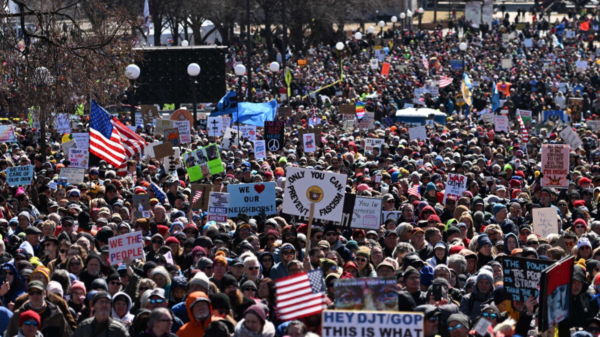
On March 28, the latest iteration of the “No Kings” movement erupted into what organizers and observers describe as the largest single-day protest in modern U.S. history. More than 3,300 rallies unfolded across all 50 states, drawing an estimated eight million participants and spreading to cities around the world.
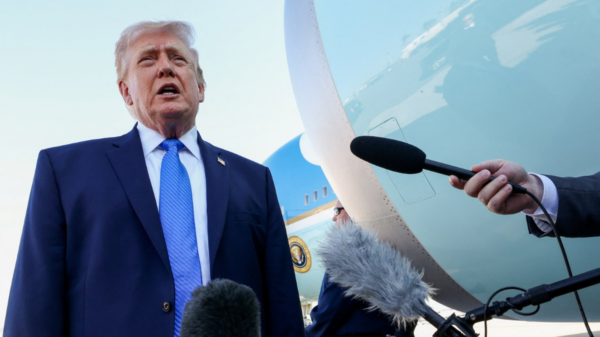
What began as a loosely coordinated protest movement in 2025 has now evolved into a broad coalition of activists, labor groups, and political organizations united in opposition to President Donald Trump’s second administration.
The protests were not driven by a single issue, but by a convergence of grievances.
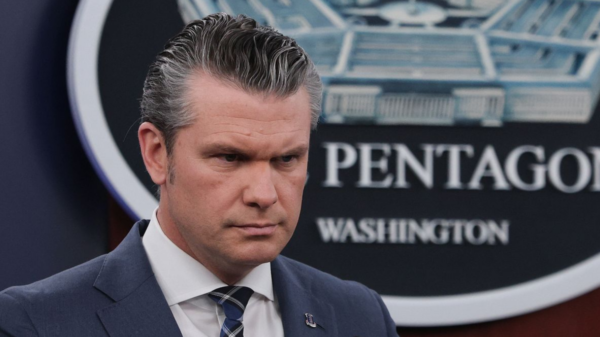
Demonstrators cited concerns over immigration enforcement actions, including controversial raids and shootings by federal agents, as well as the administration’s military engagement in Iran and broader economic anxieties.
Many also framed their participation as a response to what they view as growing authoritarianism and the erosion of democratic norms—hence the rallying cry: “No Kings.”
In cities like New York, Dallas, and Los Angeles, crowds filled streets with signs, chants, and speeches calling for accountability and political change.
While the majority of demonstrations remained peaceful, some cities saw moments of confrontation.
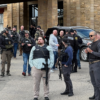
In Los Angeles, a large daytime rally gave way to clashes near a federal detention center, where police declared an unlawful assembly and made arrests after objects were thrown and barriers were breached.
Elsewhere, tensions flared between protesters and counterprotesters, underscoring the deeply polarized political climate surrounding the movement.
Still, organizers emphasized nonviolence as a core principle, pointing to the scale of participation as evidence of widespread civic engagement rather than unrest.
The demonstrations drew support from prominent public figures, including Bernie Sanders, Bruce Springsteen, and Jane Fonda, who joined rallies and amplified the movement’s message.
Their presence reflected how the protests have moved beyond grassroots activism into a broader cultural moment—one blending politics, art, and public dissent.
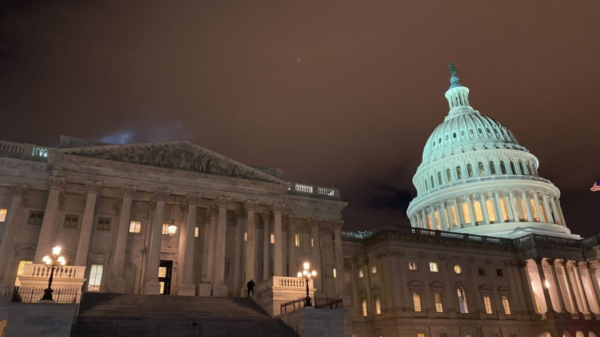
The moment of the protests comes at a critical political moment, with midterm elections on the horizon.
For supporters, the turnout signals a growing, organized resistance capable of influencing voter behavior and shaping national discourse. For critics, the demonstrations are politically motivated and overstated.
The moment of the protests comes at a critical political moment, with midterm elections on the horizon.
For supporters, the turnout signals a growing, organized resistance capable of influencing voter behavior and shaping national discourse. For critics, the demonstrations are politically motivated and overstated.
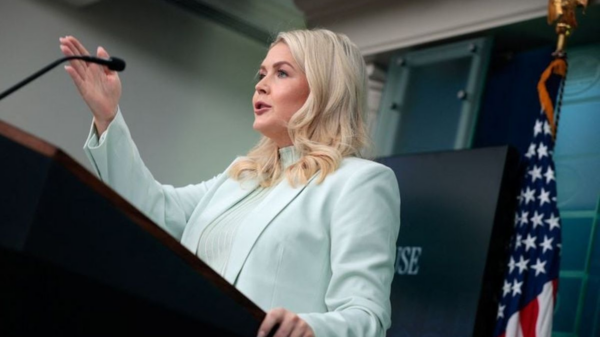
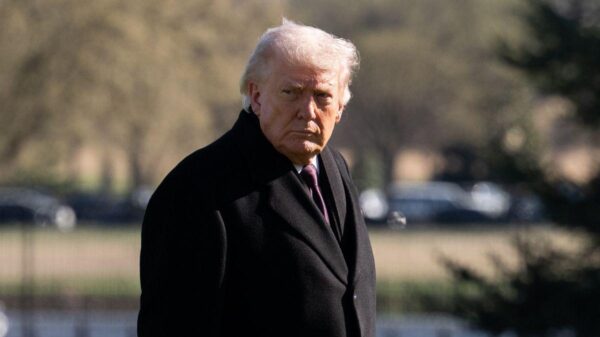
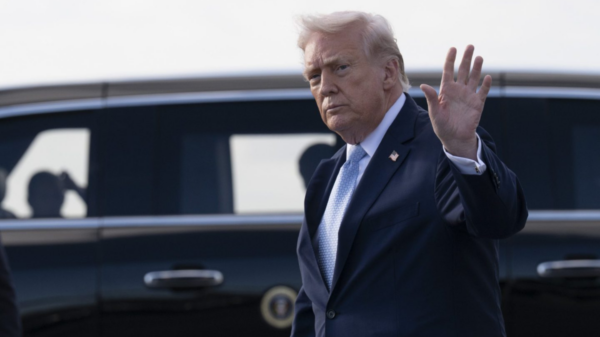
The White House, for its part, has largely dismissed the protests, downplaying their significance even as turnout continues to grow.
The “No Kings” movement is positioning itself not as a one-day protest, but as a sustained campaign—one that aims to translate mass turnout into long-term political action, from local organizing to national elections.
Whether it ultimately reshapes policy or politics remains to be seen. But for one weekend, at least, millions of Americans delivered a unified message: power, they argue, should never resemble a throne.