


































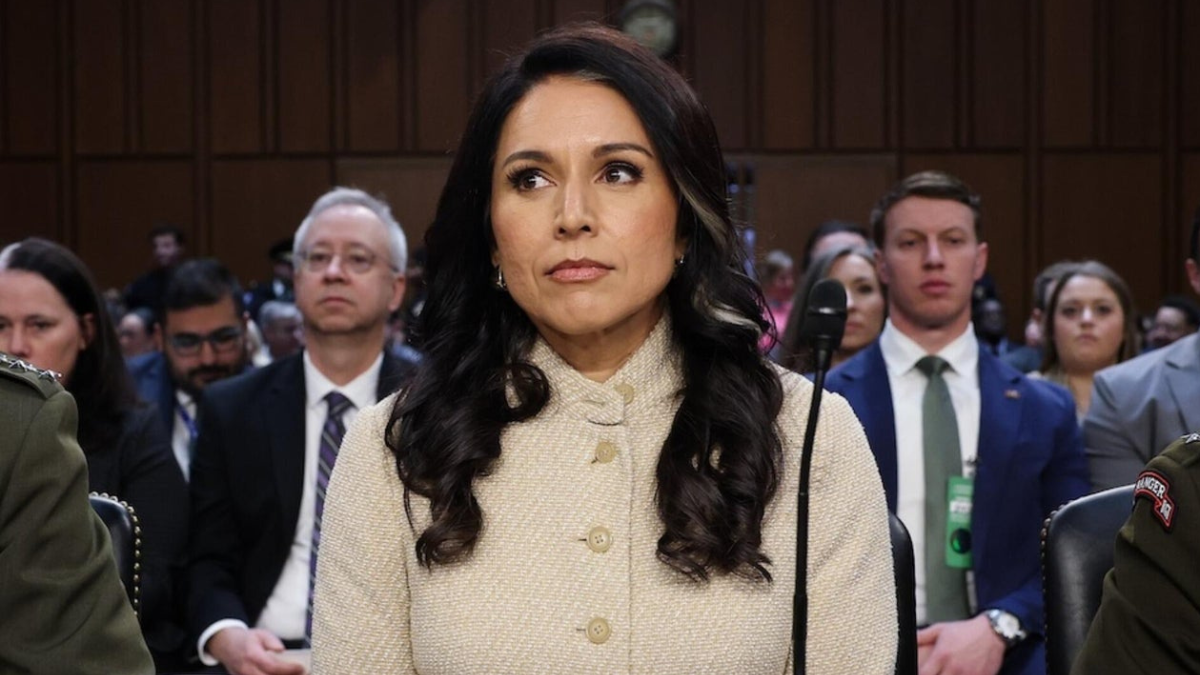
WASHINGTON — Director of National Intelligence Tulsi Gabbard on Wednesday deflected questions from lawmakers on whether Iran posed an “imminent threat” to the U.S. as President Donald Trump has said.
Lawmakers pressed Gabbard, CIA Director John Ratcliffe, FBI Director Kash Patel, and other administration officials on Iran and other global issues. Gabbard’s congressional testimony on Wednesday at an annual hearing on worldwide threats came a day after a top deputy, Joe Kent, resigned over the war.
Democratic Sen. Jon Ossoff questioned Gabbard about the intelligence community’s assessment of Iran’s nuclear capabilities.
Trump had previously claimed that U.S. strikes last summer had “obliterated” Iran’s nuclear program. However, among the various justifications for the current war, the White House cited Tehran’s imminent nuclear threat.
“Was it the assessment of the intelligence community that there was an imminent nuclear threat posed by the Iranian regime? Yes or no?” Ossoff asked Gabbard.
“Senator, the only person who can determine what is and is not an imminent threat is the president,” Gabbard said.
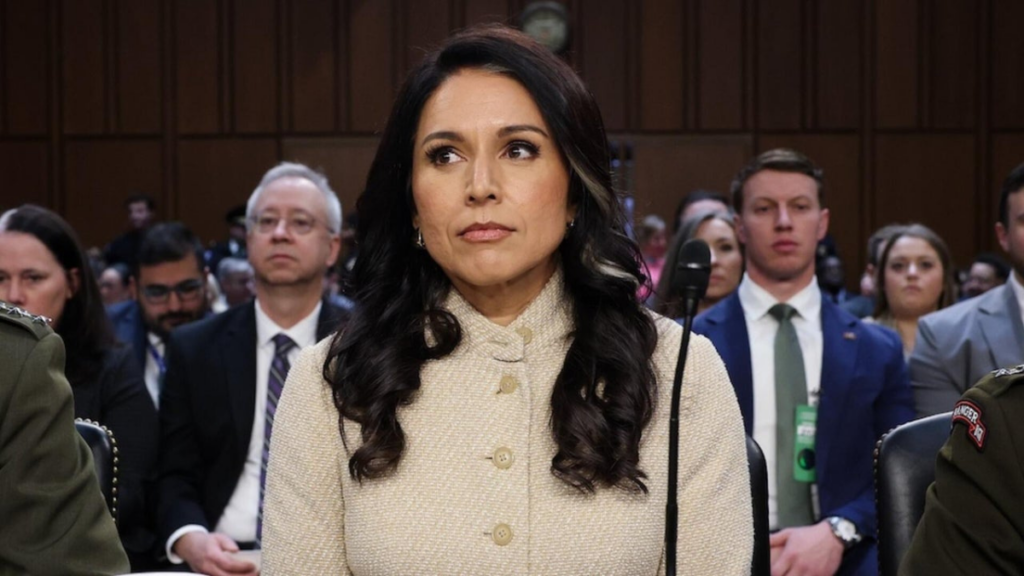
Ossoff pushed back, accusing Gabbard of not answering directly because her response would contradict a statement from the White House.
“It is precisely your responsibility to determine what constitutes a threat to the United States. This is the worldwide threats hearing, where, as you noted in your opening testimony, you represent the [intelligence community’s] assessment of threats. You are here to represent the IC’s assessment of threats,” Ossoff said.
Kent and Gabbard, both military veterans, found common ground in their opposition to foreign military interventions and “regime change” wars, such as those in Iraq and Afghanistan. Gabbard has refrained from publicly endorsing the decision to go to war and has remained largely silent on the U.S.-Israeli air campaign that commenced on February 28.
The conflict has led to a surge in gas prices, posing political challenges for President Donald Trump domestically, particularly in the lead-up to the congressional midterm elections in November.
Gabbard’s reluctance to wholeheartedly support the president’s decision to launch a war against Iran, unlike other Cabinet members, has sparked new questions about her position within the administration.
In her opening statement, Gabbard omitted the language from her written remarks that stated Iran had not attempted to rebuild its uranium enrichment capability following U.S. air strikes in June.
“Iran’s nuclear enrichment program was obliterated. There has been no efforts since then to try to rebuild their enrichment capability,” her prepared remarks read, according to her written statement posted on the Senate Intelligence Committee’s website.
That assessment appeared to contradict Trump, who has said Iran was working to rebuild its nuclear program.
Democrats at the hearing questioned Gabbard about the intelligence conveyed to Trump regarding Iran’s potential reaction to a U.S. attack, noting that the president has expressed surprise at Iran’s strikes on neighboring countries.
Before the U.S. launched air attacks on Iran, U.S. intelligence indicated that Iran might launch strikes on energy sites in the Middle East and attempt to block the Strait of Hormuz. Gabbard and Ratcliffe stated this.