



































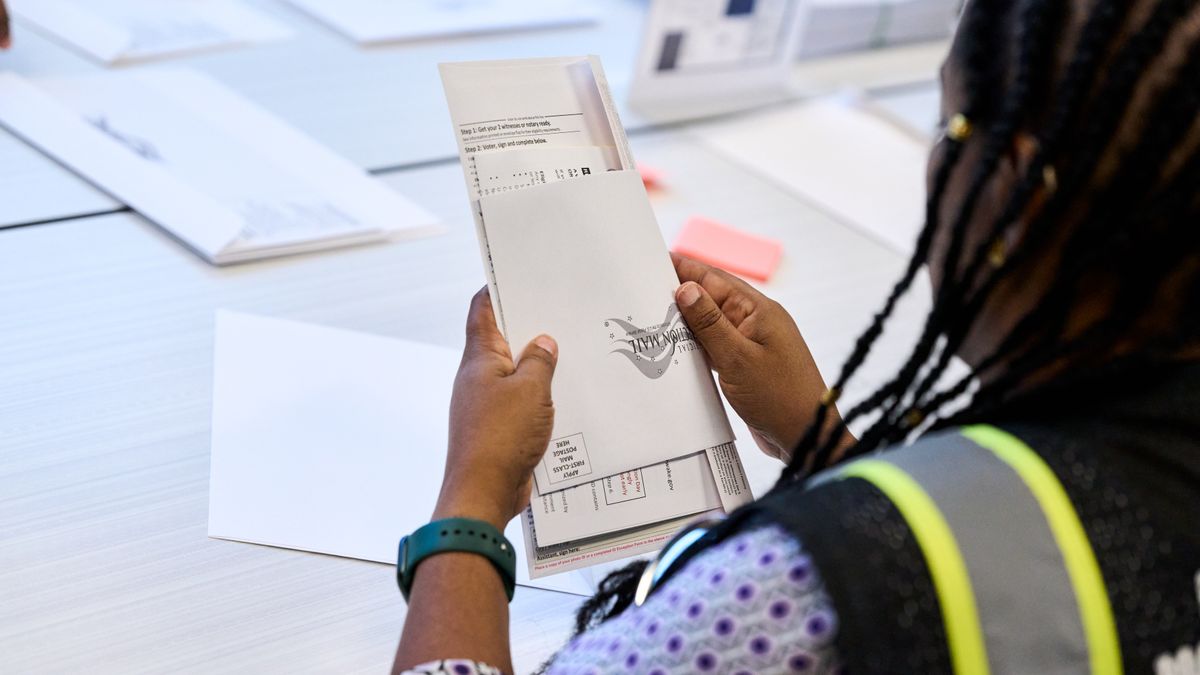
The Trump administration on Sunday asked the Supreme Court to allow the U.S. Postal Service to temporarily restrict mail-in ballots ahead of the midterm elections in November.
It’s the third time the Trump administration has asked the nation’s highest court to intervene despite North Carolina sending out their ballots last week, and others set to follow in the coming days.
The request comes after U.S. District Judge Indira Talwani on Friday issued an order preventing the administration from carrying out the Trump-directed USPS regulation on mail-in ballots.
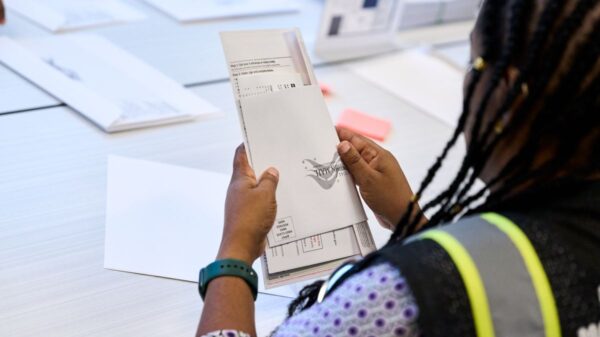
If approved, the order allows the USPS to track mail-in ballots and potentially reject ballots that are sent to and from voters not included in a federal database.
Talwani said that immediate implementation of the rules this close to the November election, prompted by President Donald Trump’s executive order aimed at tightening access to mail ballots, “threatens disenfranchisement of millions of United States citizens who seek to vote by mail.”
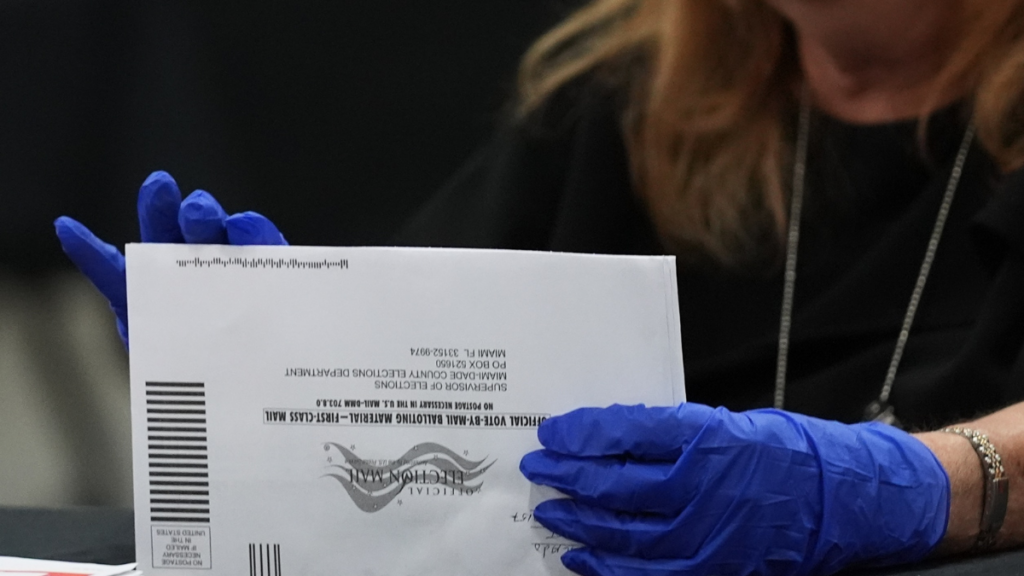
In Sunday’s filing to the Supreme Court, the Trump administration argued: “Contrary to the claims of the district court and respondents that the Postal Service is trying to federalize the rules for mail-in voting, the Postal Service’s final rule imposes only modest envelope-design and addressee-information requirements for federal-election ballots sent via U.S. Mail.”
“The Rule ensures that States remain responsible for determining voter eligibility and eligibility to vote by mail, and it does not dictate ballot content, mailing or receipt deadlines, or ballot-counting procedures. The Rule thus plainly does not seize control of States’ administration of elections — it simply imposes reasonable preparation requirements for certain election-related mail,” the filing adds.
Trump wants states to report to USPS basic voter information, such as a voter’s name and home address, attached to a unique barcode on every mail-in ballot distributed.
The states challenging the USPS rule have until Tuesday at 10 a.m. to formally respond before the Supreme Court makes a decision.