




































WASHINGTON — President Donald Trump on Friday said he doesn’t need Congressional authorization for the ongoing war in Iran after the conflict hit the 60-day mark earlier this week.
Trump sent letters to Congress on Friday explaining that, due to the ceasefire, he doesn’t need its authorization for the ongoing war.
“On April 7, 2026, I ordered a two-week ceasefire. The ceasefire has since been extended. There has been no exchange of fire between the United States Forces and Iran since April 7, 2026. The hostilities that began on February 28, 2026, have terminated,” Trump wrote in the letter.
“Despite the success of United States operations against the Iranian regime and continued efforts to secure a lasting peace, the threat posed by Iran to the United States and our Armed Forces remains significant,” the president added in the letter.
This week, congressional leaders received letters questioning their intentions to schedule votes on a formal war authorization from Congress.
The 1973 War Powers Resolution directs the president to seek authorization for war from Congress after an ongoing military conflict hits the 60-day threshold. The law allows for a president to seek a 30-day extension if necessary to safely remove troops from the region, but Trump did not mention that in his letter.
“I have and will continue to direct United States Armed Forces consistent with my responsibilities and pursuant to my constitutional authority to conduct United States foreign relations and as Commander in Chief and Chief Executive,” Trump wrote in his letter.
A temporary ceasefire was declared on April 8 to allow the U.S. and Iran to negotiate an end to the war and reopen the Strait of Hormuz. However, despite these efforts, the talks have not yielded any results.
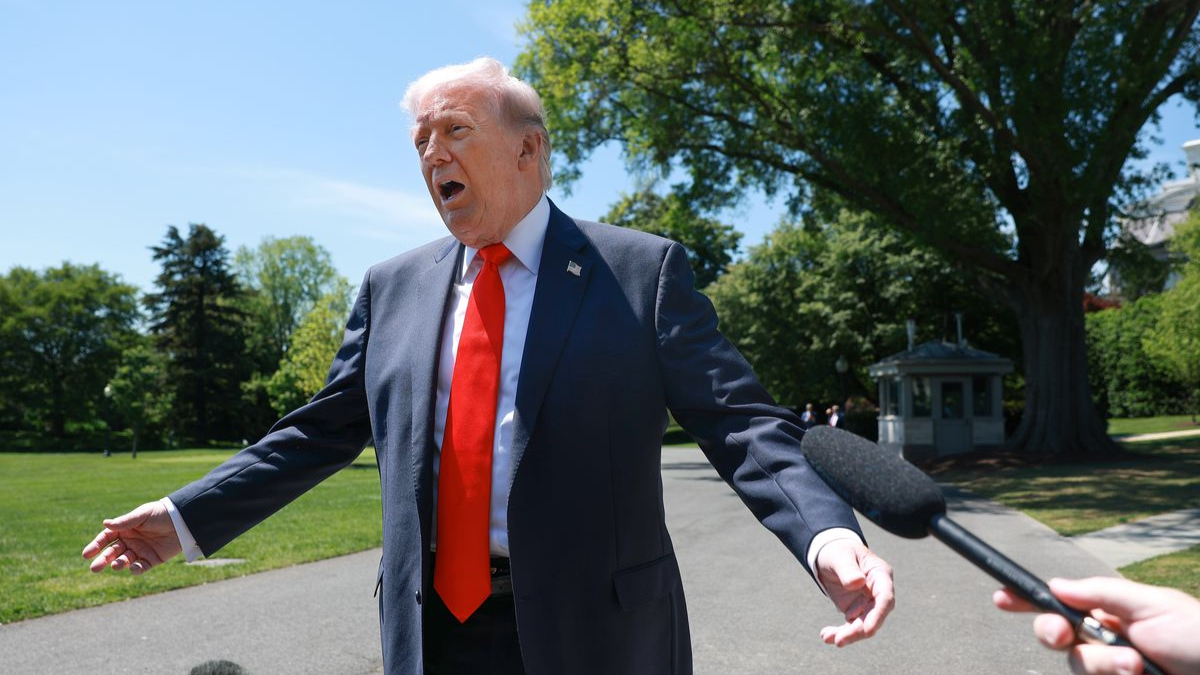
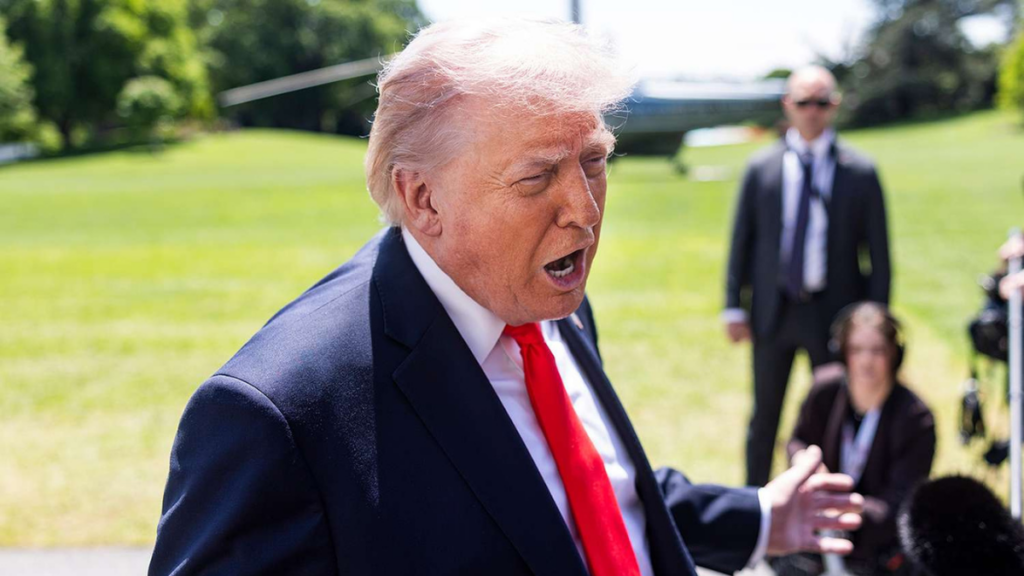
As he departed the White House on Friday heading to Florida, the president also told reporters that he wasn’t seeking authorization from Congress, “because it’s never been sought before.”
“There’s been numerous, many, many times, and nobody’s ever gotten it before. They consider it totally unconstitutional, but we’re always in touch with Congress, but nobody’s ever sought it before. Nobody’s ever asked for it before. It’s never been used before. Why should we be different?” he said.
In 2011, then-President Barack Obama argued against seeking congressional approval for a military operation in Libya, with his administration saying, “U.S. operations do not involve sustained fighting or active exchanges of fire with hostile forces, nor do they involve U.S. ground troops.”
But then-Presidents George W. Bush in 2001 and 2002 and George H.W. Bush in 1991 did seek congressional authorization for military conflicts in the Middle East and in those cases, lawmakers approved their requests.