





































WASHINGTON — President Donald Trump spent years celebrating the conservative Supreme Court majority he helped build.
This week, he had a very different message for the justices.
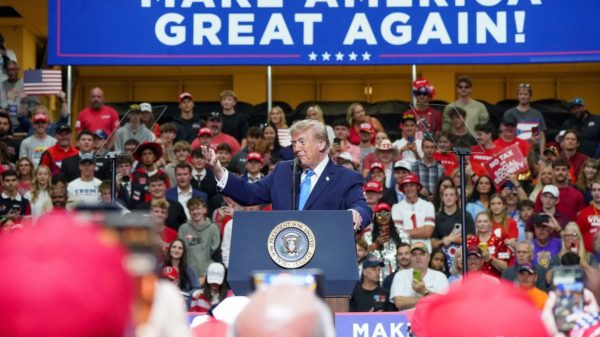
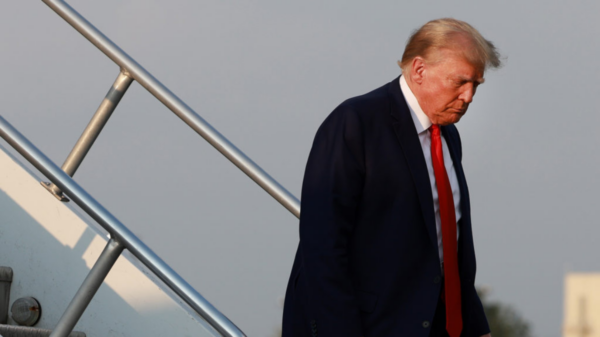
Trump sharply criticized the Supreme Court Tuesday after it rejected his administration’s attempt to put new restrictions on mail ballots in place ahead of November’s midterm elections, publicly expressing frustration with a court that includes three justices he appointed during his first term.
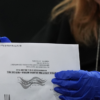
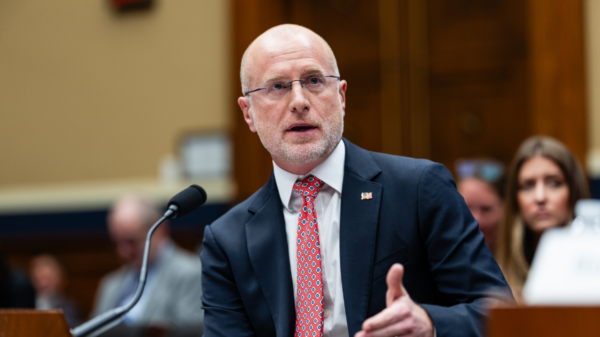
The dispute centers on new U.S. Postal Service requirements for election mail.
The administration sought to require states to provide recipient information and use Postal Service-approved envelopes containing specialized barcodes. Mail that didn’t comply could have been rejected and returned.
A federal judge blocked the rules before they could take effect, and an appeals court declined to lift that injunction.
On Monday, the Supreme Court did the same.
The justices denied the administration’s emergency request to allow the requirements to take effect for the 2026 election. The court’s own records show the order was issued September 14 in the Postal Service litigation.
ustices Samuel Alito and Clarence Thomas dissented.
Justice Brett Kavanaugh took a more nuanced position. He indicated that the Postal Service may ultimately have legal authority to impose requirements of this kind, but concluded that implementing them so close to the election could cause significant disruption because state and local election officials did not have enough time to comply.
Trump was not persuaded.
In a social-media post Tuesday, the president called the decision a “big loss for Republicans” and said the Supreme Court had “let our Country down.” He praised Alito and Thomas for dissenting while directing his criticism toward the majority.
The episode highlights an increasingly complicated relationship between Trump and the court he helped move decisively to the right.
Trump appointed Neil Gorsuch, Kavanaugh and Amy Coney Barrett during his first term, cementing a 6-3 conservative majority that has delivered a number of rulings welcomed by conservatives and by Trump’s administration.
But the court has not uniformly sided with him.
Trump has publicly attacked the justices after unfavorable decisions while praising them when they have ruled in his favor. The mail-ballot dispute is the latest example of that tension.
The underlying fight over voting by mail is also far from over.
Trump has repeatedly alleged widespread problems with mail voting. Election officials and voting experts have disputed claims of widespread mail-ballot fraud, and evidence has not substantiated Trump’s broader allegations. Nearly a third of voters cast ballots by mail in the 2024 election, according to election data cited by Reuters.
The administration is pursuing other changes to election administration ahead of November, including efforts involving voter data and noncitizen voter identification. Some of those efforts are facing their own legal challenges.
The Supreme Court’s action also does not necessarily resolve every underlying legal question surrounding the Postal Service requirements.
What it does mean is that the administration will not be able to implement these particular rules for the approaching midterm election.
And with voting already becoming a major point of conflict heading into November, the fight between Trump, the courts and election officials is unlikely to end with this ruling.