




























The local prosecutor who initially declined to pursue criminal charges over an alleged gang rape at Cornell University did not review witness interviews and other information gathered by campus police before making that decision, according to newly reported police records.
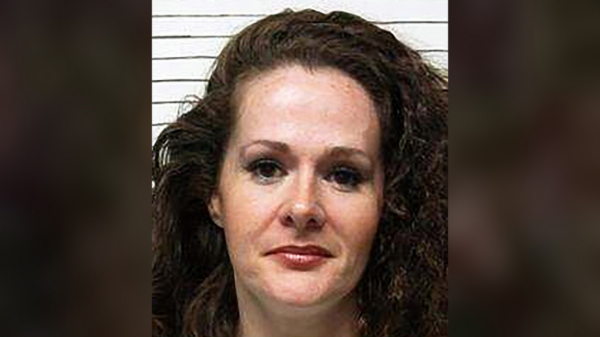
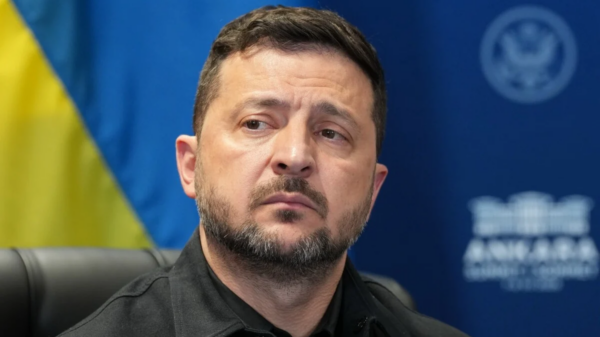
Tompkins County District Attorney Matthew Van Houten has said his office based its 2024 decision on a six-page statement provided by Cornell University police summarizing the account of the woman identified in court documents as Jane Doe.
But records reviewed by multiple news organizations show Cornell police continued gathering information as part of their investigation, including interviewing witnesses, following up on anonymous tips and examining information connected to Snapchat communications.
The disclosure is adding to scrutiny over how both Cornell police and the district attorney’s office handled the case — an investigation that has now been taken out of the local prosecutor’s hands.
New York Gov. Kathy Hochul appointed Attorney General Letitia James as special prosecutor this week, saying she had lost confidence in the original handling of the case.
The allegations stem from the night of Oct. 19 into Oct. 20, 2024, when Doe, then a 20-year-old Cornell student, says she was sexually assaulted by members of the Chi Phi fraternity while under the influence of alcohol, marijuana and ketamine.
Doe filed a civil lawsuit in September against Cornell University, seven former students and others. The defendants have not been criminally convicted in connection with her allegations, and attorneys representing some of the accused men have denied wrongdoing.
Police continued gathering information
NBC News reported that Cornell police records show investigators spoke with witnesses and received anonymous tips during the weeks after Doe reported the alleged assault.
On Nov. 25, 2024, a Cornell police investigator contacted an investigator with the district attorney’s office and told him about interviews the department had conducted after interviewing Doe.
According to the police record, the DA’s investigator responded that multiple attorneys in the office had reviewed Doe’s statement and agreed that criminal charges would not be pursued based on that account.
Van Houten told NBC News that the interviews referenced during that exchange involved fraternity members declining to speak on the advice of attorneys and argued there was therefore nothing substantive for prosecutors to review.
Other records, however, indicate Cornell police had pursued additional leads, including interviews with other witnesses and anonymous tips.
The records also raise questions about what prosecutors knew about Snapchat communications connected to the night of the alleged assault.
Cornell police eventually requested additional records from Snapchat and received more than 1,600 pieces of data from five accounts in December 2024. Investigators concluded that three messages involving Doe or the incident did not contain material they believed could be construed as criminal.
What the accuser told police
Separate reporting has also revealed differences between the information contained in the summary reviewed by prosecutors and Doe’s more extensive statements to investigators.
CBS News obtained a transcript of Doe’s interview with Cornell police in which she explicitly told an investigator she was certain she had been raped.
Van Houten said he had not previously been given that transcript and indicated the statement would have warranted further examination.
ABC News reported that an early police account described Doe as reporting that she had been raped by multiple men at the fraternity house. That language did not appear in the condensed statement supplied to prosecutors, according to the outlet.
Hochul has criticized both the district attorney and Cornell police, arguing prosecutors should have sought additional evidence while also faulting the university police department for providing what she characterized as an incomplete account.
Van Houten has defended his original decision, saying the information presented to his office at the time did not establish the elements necessary to bring criminal charges under New York law.
He has also said his office was not provided the full picture by Cornell.
Nearly two months before Doe learned of decision
The newly reported records also show a significant gap between the prosecutor’s decision and when Doe was informed about it.
The district attorney’s office had indicated by Nov. 25, 2024, that charges would not be pursued, according to the police records. Cornell police did not notify Doe of that decision until Jan. 21, 2025.
Van Houten told NBC News his office had no role in determining when Cornell police informed her.
Doe’s attorney, Thomas Giuffra, told the network he had not previously known prosecutors had reached their decision in November and said Doe believed during that period that authorities were still investigating the case.
Investigation moves to attorney general
The controversy has escalated rapidly since Doe filed her civil lawsuit in September.
Van Houten initially announced that his office would reopen the criminal investigation and present the case to a grand jury after details contained in the lawsuit attracted national attention.
That investigation is now being led by James after Hochul removed Van Houten from the case.
James has cautioned that the investigation could take months and has not suggested what its outcome will be.
Cornell, meanwhile, has said it supports the appointment of a special prosecutor and an independent external review of the university’s handling of the case.
Cornell previously conducted its own disciplinary investigation. The university has said the process resulted in sanctions against students, including suspensions and expulsions, and the Chi Phi chapter is no longer recognized by Cornell.
The criminal investigation now facing James is broader than the underlying allegations themselves.
State investigators will have to determine not only whether the available evidence supports criminal charges, but also assess a record that has generated increasingly serious questions about what evidence was collected, what prosecutors were given, what they requested — and why the original investigation ended without charges.
No criminal charges have been filed against the men accused by Doe, and the allegations contained in her lawsuit have not been proven in court.