



























By the time the first explosions lit up the sky over Tehran, the comparisons were already writing themselves.
Two decades ago, it was shock and awe over Baghdad. In 2026, it is a widening war with Iran that is reshaping a presidency and reopening old American wounds.
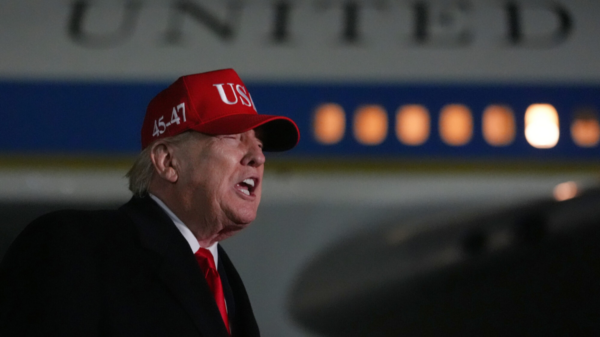
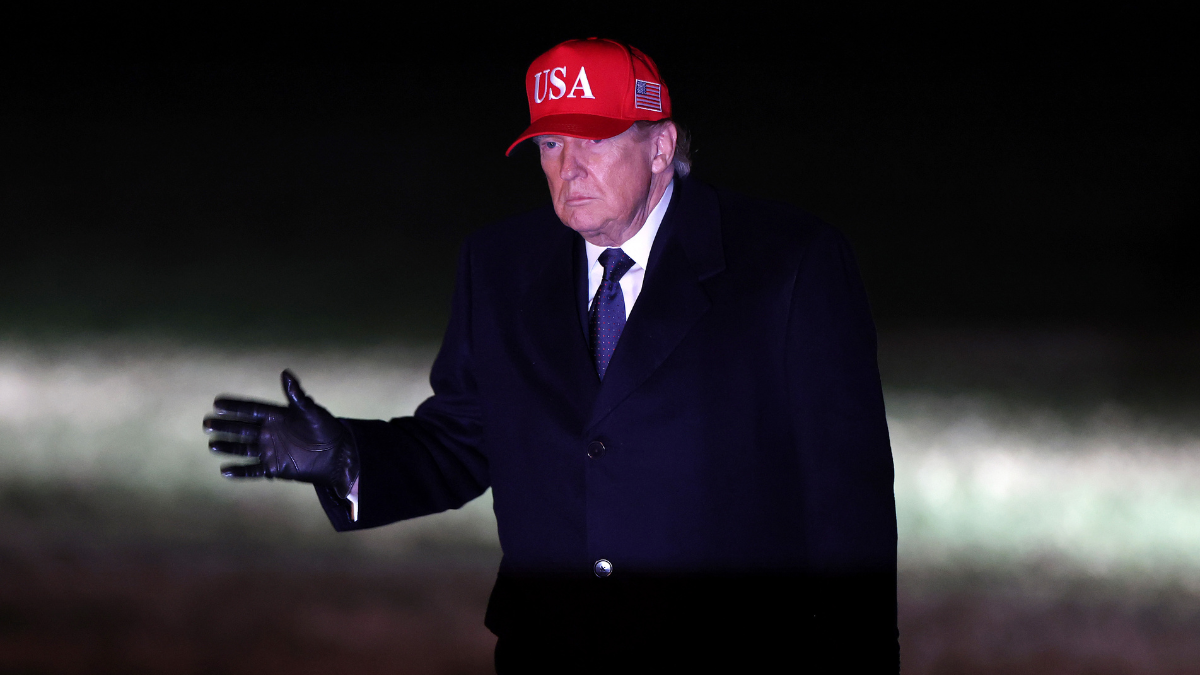
For President Donald Trump, this conflict was supposed to be leverage: pressure applied at the negotiating table, a show of strength designed to bend adversaries without breaking into full-scale war. Instead, it has become something larger and far more consequential: his own version of the Iraq War.
The story did not begin with missiles. It began in hotel conference rooms in Geneva, where American and Iranian officials engaged in indirect nuclear talks. The discussions were tense but alive, with negotiators probing whether limits on uranium enrichment and missile development could still be salvaged.
But as in the months before the 2003 invasion of Iraq, diplomacy unfolded under the shadow of military preparation. Warships repositioned. Bombers rotated into range. Public rhetoric sharpened.
Then came the pivot.
Airstrikes — coordinated with Israeli forces — targeted Iranian military infrastructure and senior leadership. Among those reported killed was Supreme Leader Ayatollah Ali Khamenei, a development that stunned the region and instantly escalated the stakes. Diplomacy gave way to deterrence by force.
In 2003, President George W. Bush stood before the American people, warning of weapons of mass destruction and the danger of waiting too long. The threat, he argued, could not be contained.
Now, Trump speaks in similar tones: warning of nuclear timelines, long-range missile capabilities, and the risks of hesitation. Then, as now, intelligence assessments are debated. Then, as now, urgency becomes the argument.
The political symmetry is striking. The Iraq invasion was framed as preemption, acting before a gathering threat matured. Today’s Iran campaign is presented as prevention, stopping an adversary before it crosses a nuclear threshold.
In both cases, critics ask the same question: Is the threat imminent, or is it being defined broadly enough to justify force?
For Trump, the stakes are not only geopolitical. They are personal and political.
The Iraq War reshaped American politics for a generation. Public disillusionment fueled anti-establishment sentiment and opened the door to insurgent campaigns, which included Trump’s own rise years later. The opposition to prolonged war played a significant role in shaping his initial appeal as a president who was wary of foreign entanglements.
Now, he stands in a position once occupied by the leaders he criticized.
Inside the White House, aides describe a commander in chief convinced that decisive action projects strength abroad and steadies authority at home. But public opinion remains overwhelmingly opposed to the war. A Reuters/Ipsos poll published on Sunday found just 27% of Americans approve of Trump’s handling of the war with Iran.
And the central question lingers: What is the endgame?
In Iraq, the initial objective of removing Saddam Hussein proved far simpler than stabilizing the country that followed. Years of insurgency, violence, and American casualties reshaped the region in unforeseen ways, as predicted in March 2003.
Iran’s objectives are broader and less clearly defined. They include dismantling nuclear capacity, deterring regional aggression, preventing retaliation, and avoiding occupation. These goals are interconnected, and none can be easily achieved solely through airpower.
Already, retaliation ripples across the Middle East. Militias aligned with Tehran threaten U.S. bases. Oil markets fluctuate with each escalation. Allies brace for wider confrontation.
The lesson of Iraq was not only about faulty intelligence or flawed assumptions. It was about the unpredictable consequences of regime-level conflict in a volatile region. Power vacuums invite chaos. Swift victories can evolve into prolonged commitments.
Trump’s supporters argue that this time is different, that a limited, targeted force can restore power to Iran’s people without dragging America into another ground war. Critics counter that wars rarely go according to plan, and that escalation has its own logic once unleashed.
Presidents are often defined by the wars they inherit or initiate. For George W. Bush, Iraq became the prism through which his legacy is still viewed. For Trump, the expanding confrontation with Iran may serve a similar role: a test of judgment, restraint, and strategic clarity.
History does not repeat itself exactly. But it does echo.
And in the smoke rising over Tehran, many Americans hear the reverberations of 2003, a reminder that decisions made in moments of urgency can shape a nation’s trajectory for decades.