




































The unraveling of Eric Swalwell’s political career took another sharp turn this week as a new accuser came forward, alleging she was sexually assaulted by the former California congressman—adding to a growing number of claims that have already forced his resignation and shaken Democratic leadership circles.
The latest accusation centers on a woman who says Swalwell assaulted her in 2018, describing an encounter that has now become part of a widening pattern of allegations spanning several years. According to reports, the woman alleges she was drugged and raped, claims that have prompted law enforcement scrutiny and intensified public attention on the case.
Her account is not isolated. In recent days, multiple women—including a former congressional aide—have accused Swalwell of sexual misconduct, with at least two allegations involving rape. The mounting accusations have triggered investigations on both coasts, including inquiries by the Los Angeles County Sheriff’s Department and authorities in New York.
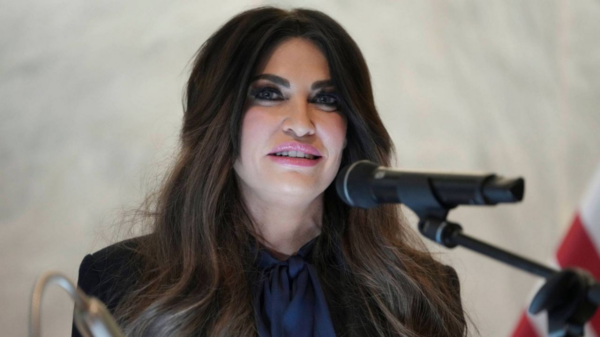
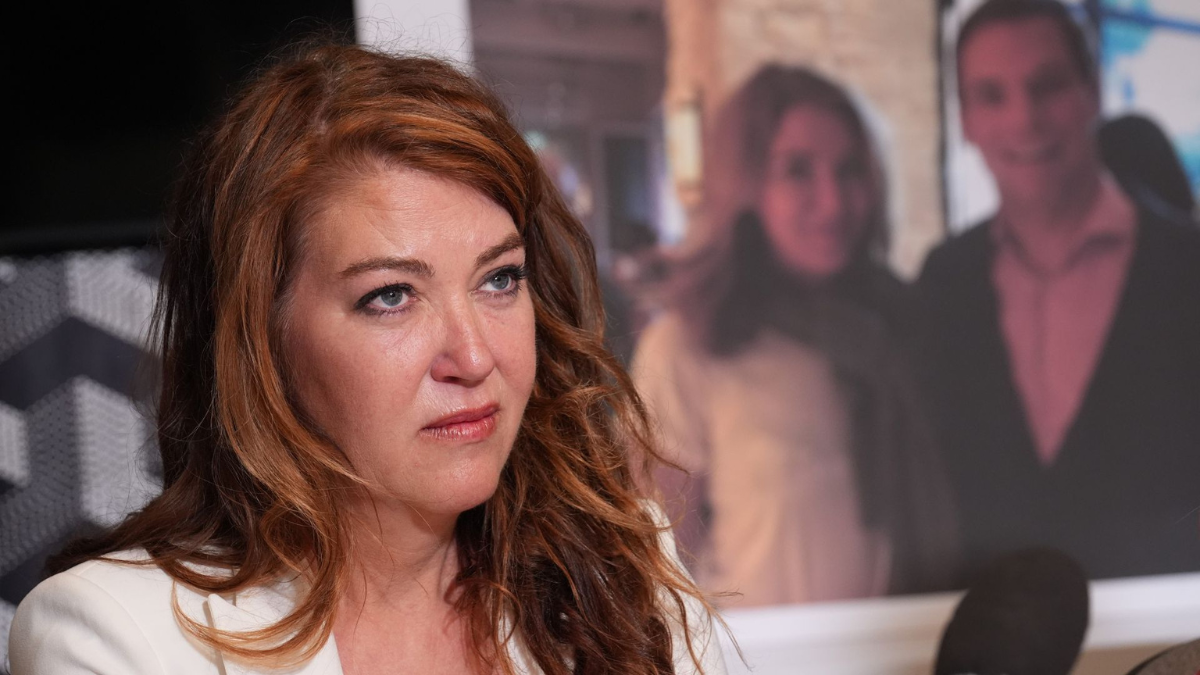
At a press conference, one of the accusers publicly detailed her claims, saying fear of Swalwell’s political influence initially kept her silent. She said she later chose to come forward in hopes of holding a powerful figure accountable.
Swalwell has denied all allegations, calling them false and politically motivated. Through his legal team, he has pushed back aggressively, even threatening legal action against some accusers. Despite those denials, the steady stream of accusations has had immediate consequences.
Within days, Swalwell withdrew from California’s gubernatorial race and resigned from Congress under mounting bipartisan pressure and the threat of expulsion. His departure has left a vacuum in both the political landscape and his former congressional seat, now set to be filled by a special election.
Behind the scenes, the allegations have also reignited uncomfortable questions within political circles. Some Democrats have acknowledged hearing rumors about inappropriate behavior in past years but said they lacked concrete evidence at the time. The emergence of multiple accusers has now shifted that conversation from whispers to a full-scale reckoning.
The growing list of allegations—and the courage of additional women coming forward—has transformed what began as a single claim into a broader crisis, one that continues to evolve with each new voice.
As investigations proceed, the central questions remain unresolved: whether the allegations will lead to criminal charges, and how far the political fallout will extend. For now, the story is still unfolding—and with each new accuser, its impact deepens.