
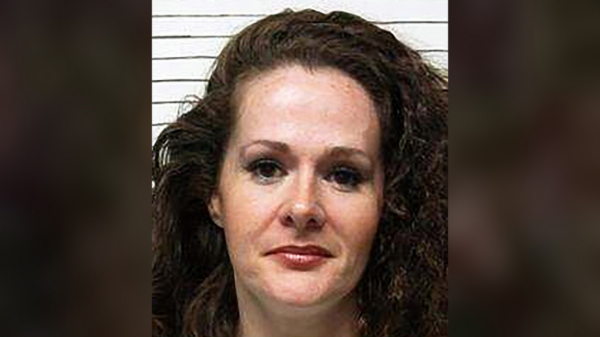




































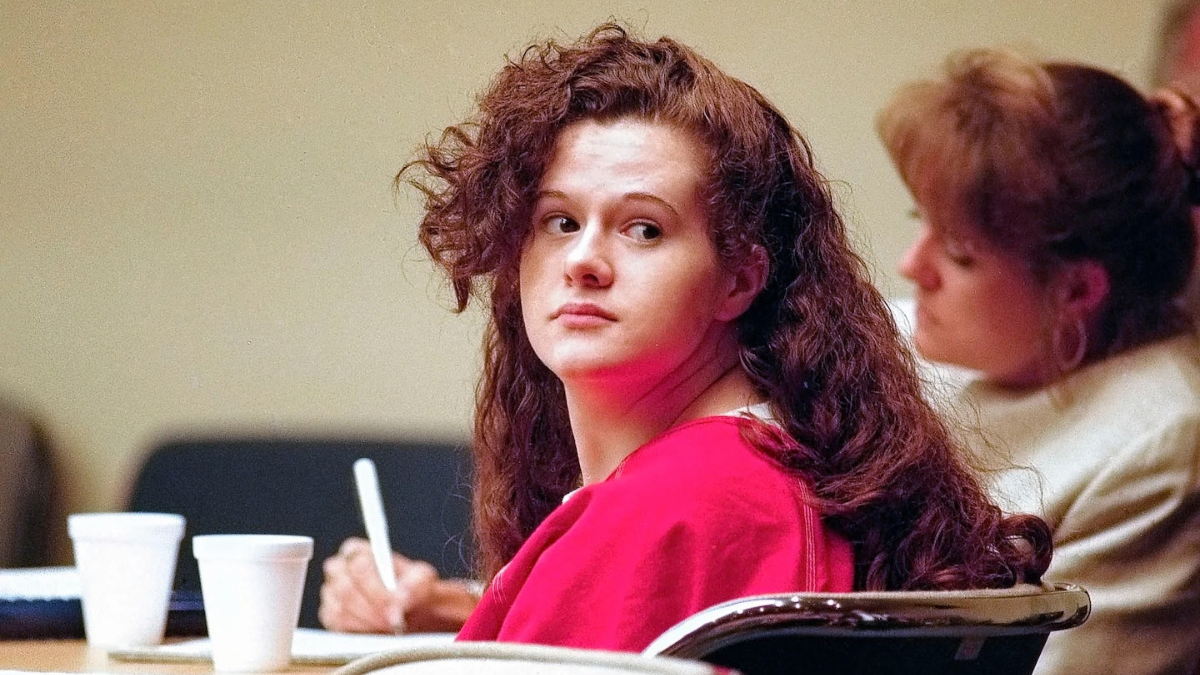
Christa Pike remained unconscious and on a ventilator Friday after Tennessee’s attempt to execute her by lethal injection failed, according to her attorneys.
Pike, 50, was taken to a hospital Wednesday night after receiving two doses of pentobarbital in the state’s execution chamber but remaining alive. Her attorneys said she was in critical condition and receiving lifesaving medical treatment following the failed execution.
The execution had already been delayed for several hours Wednesday while courts considered a last-minute appeal. After the U.S. Supreme Court allowed the execution to proceed, Pike was strapped to a gurney and the lethal injection process began.
Witnesses reported that Pike remained conscious for an extended period after the drugs were administered. She complained that her arm hurt or burned and later appeared to lose consciousness, but continued breathing. A second dose of pentobarbital was administered, according to reporting from The Associated Press.
The curtain separating witnesses from the execution chamber was eventually closed as officials attempted to determine what had gone wrong. Pike was later removed from the prison and transported to a hospital.
Her attorneys said Friday that she was unconscious and being supported by a ventilator. They have raised questions about whether the IV lines used during the execution were properly placed and have asked that evidence connected to the procedure be preserved.
The failed execution prompted Tennessee Gov. Bill Lee to halt the state’s remaining execution scheduled for 2026 and order an independent review of what happened.
Lee described the incident as “deeply disturbing.” State officials have said the Department of Correction’s execution protocol was followed, but authorities have not publicly explained why two doses of the lethal drug failed to kill Pike.
Pike was sentenced to death for the 1995 killing of 19-year-old Colleen Slemmer. Pike was 18 at the time of the crime.
Prosecutors said Pike and others lured Slemmer, a fellow student at a Knoxville Job Corps program, to an isolated area where she was tortured and killed. Pike was convicted of first-degree murder and sentenced to death in 1996.
Had Wednesday’s execution been completed, Pike would have become the first woman executed by Tennessee in more than 200 years.
Pike’s attorneys had sought to stop the execution, pointing to her age at the time of the crime, a history of severe abuse and mental health issues they argued were not adequately presented to the jury that sentenced her to death. Pike had also expressed remorse for Slemmer’s killing in her clemency petition.
Slemmer’s mother, May Martinez, witnessed Wednesday’s failed execution. She expressed frustration afterward, saying the ordeal had failed to deliver justice for her daughter.
The episode is also renewing scrutiny of Tennessee’s execution system.
The state previously suspended executions in 2022 after officials acknowledged problems with its lethal injection procedures, including failures involving required testing of execution drugs. Tennessee later revised its protocol before resuming executions.
Now, after Pike survived two doses of pentobarbital, state officials will once again examine how Tennessee carries out the death penalty, and what went wrong inside the execution chamber Wednesday night.