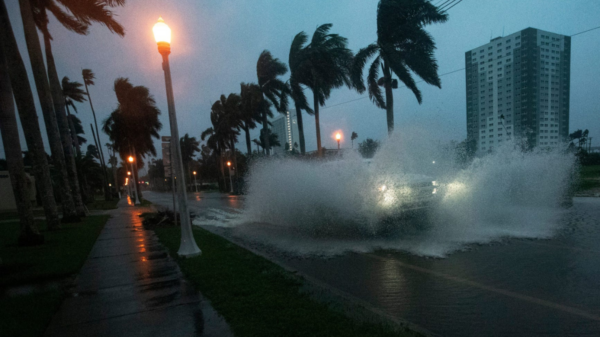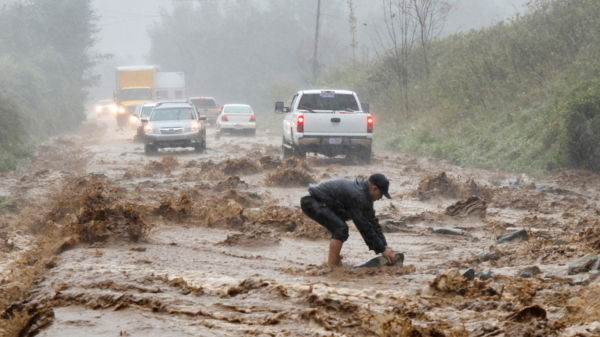




































Hurricane Melissa made landfall in the island nation of Jamaica on Tuesday, bringing 175 mph winds and heavy rain, and flooding.
The NHC forecasts rainfall totals of 30–40 inches in some parts of Jamaica and southern Hispaniola, while a life-threatening storm surge of up to 13 feet (4 meters) is expected along vulnerable coastal areas.
Jamaican authorities have ordered evacuations of high-risk communities, including low-lying coastal zones such as Port Royal and Old Harbor Bay. More than 800 shelters have been opened, though officials report occupancy remains low as many residents remain reluctant to relocate.
“There is no infrastructure in the region that can withstand a Category 5,” Prime Minister Andrew Holness warned.
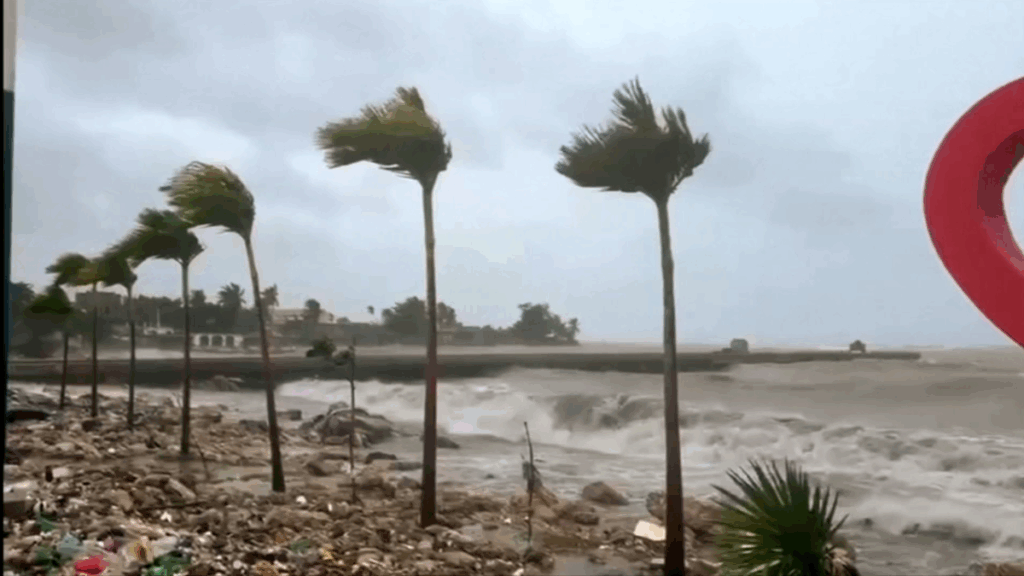
Fallen trees and landslides have been reported in hilly areas, and several areas have lost power as outer rain bands and gusts approach. Officials say once the main eyewall arrives, the damage and isolation of communities could escalate quickly.
Experts note that while hurricanes are common in this region, storms of this intensity making landfall in Jamaica are extremely rare. Hurricanes reaching Category 4 or 5 account for fewer than 17 percent of all Atlantic hurricanes, and only a fraction of those strike land at full strength.
“Many of these communities will not survive this flooding,” Minister Desmond McKenzie stated.
Tourism, agriculture, fishing, and infrastructure are all at risk. Power and communications failures may stretch for days or weeks, complicating rescue and relief efforts.
Authorities say the full scale of the disaster won’t be clear until the eyewall passes and access to isolated areas is restored.
Governments in Cuba, Haiti, and the Bahamas are also preparing for secondary impacts as Melissa continues its projected path. The coming hours will be crucial — both for survival and for the recovery that will follow.