


































President Donald Trump’s decision to bar CNN, MS NOW and Politico from the White House is more than a dispute between an administration and three news organizations. It raises broader questions about who controls access to the presidency, how Americans receive information about their government and whether officials can restrict journalists because they object to their reporting.
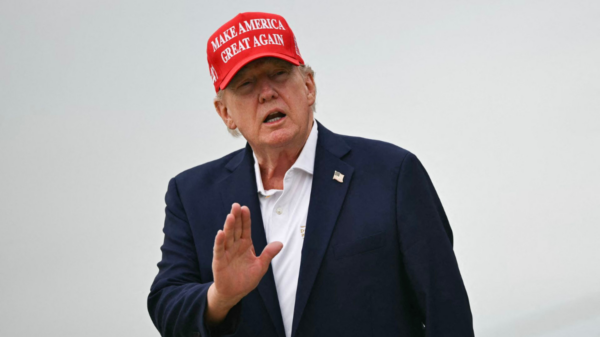
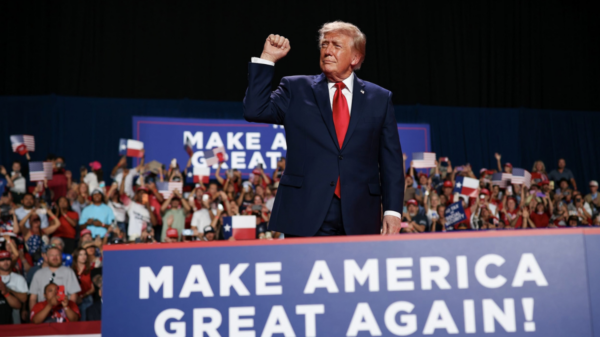
Trump announced the ban Friday, accusing the outlets of publishing “fiction and lies.” By Saturday, reporters from all three organizations had been denied entry to the White House complex. Their press credentials were disabled or confiscated, according to CBS News.
The president did not publicly identify a particular article or broadcast that prompted the decision. He also indicated that other news organizations could face similar restrictions.
The New York Post reported that the decision came after Trump aide Natalie Harp showed the president a montage of critical coverage from the three organizations. That report offers some background about what may have preceded the announcement, although the White House has not publicly confirmed that the montage was the sole reason for the ban.
CNN, MS NOW — the network formerly known as MSNBC — and Politico filed a federal lawsuit Monday challenging the restrictions. The organizations argue that the administration violated the First Amendment by retaliating against them for their coverage and the Fifth Amendment by revoking access without notice or an opportunity to respond. They are seeking a temporary restraining order restoring their access while the case proceeds, according to the Associated Press.
The immediate effect is clear: journalists employed by three major national news organizations can no longer report from inside the White House grounds. The larger consequences could extend to people who never watch CNN, read Politico or follow MS NOW.
The administration’s position
Trump has argued that the restrictions are intended to confront reporting he considers deliberately false, not to suppress legitimate journalism. He has described the targeted organizations as corrupt and accused them of coordinating misleading coverage that threatens national security.
“The White House is not instituting an assault on the Free Press,” Trump wrote Monday. He said the administration was instead targeting what he calls “fake news.”
The president has not publicly identified a specific report that triggered the ban or explained what formal standard the administration used to determine which organizations should lose access. The White House has not offered a more detailed justification beyond Trump’s statements, according to reporting from the Associated Press and Axios.
Presidents have broad discretion over interviews, private meetings and invitations to individual events. The administration may also impose security requirements and neutral credentialing rules on journalists entering the White House. The legal dispute centers on whether that authority extends to excluding established news organizations because the president considers their coverage inaccurate or unfair.
Fewer reporters can directly observe the president
White House correspondents do more than attend televised briefings. They observe the president’s public appearances, question senior officials, speak with sources and report details that may not appear in official statements.
Removing reporters from the grounds does not prevent their organizations from covering the administration. It does, however, limit their ability to witness events directly and ask questions in real time.
That distinction can become particularly important during rapidly developing situations. When the United States faces a national security emergency, military conflict, economic crisis or natural disaster, the public depends on journalists to obtain information quickly and compare the administration’s statements with independently gathered facts.
Limiting access to a smaller group of organizations could narrow the number and range of questions presented to the president and his advisers.
The decision could affect outlets beyond the three named
The White House Correspondents’ Association warned that the implications extend beyond CNN, MS NOW and Politico because the same standard could later be applied to other organizations.
That possibility is not limited to large national outlets. If critical coverage can be used as grounds for losing government access, regional newspapers, local television stations, digital publications and individual reporters could face similar decisions in the future.
Press-freedom advocates describe one potential consequence as a chilling effect. Journalists may retain the legal right to report critically but become more cautious if they believe aggressive coverage or questioning could cost them physical access to government officials.
Whether such an effect develops cannot yet be measured. The concern is based on the precedent that could be established if access decisions are tied to the tone or substance of an organization’s reporting.
White House access could become a political reward
White House press access has traditionally served a broader public function. Reporters from competing organizations share responsibilities through press pools, which provide coverage when space is too limited to accommodate the entire press corps.
CNN’s removal affected that system when the network was prevented from completing a scheduled television pool assignment during Trump’s trip to New York. In response, ABC, CBS, Fox News, NBC and CNN suspended participation in certain presidential pool coverage, according to The Wall Street Journal.
The participation of Fox News is notable because the network is generally viewed as more favorable to Trump than the other participating organizations. The joint response indicates that the dispute is not limited to the political viewpoints of the three outlets that were barred.
Disrupting the press pool can reduce the amount of independent video and reporting available to news organizations across the country, including those that were not banned. In those circumstances, outlets may become more dependent on footage and information produced by the government itself.
The broader concern is that access could be viewed as a benefit for favorable coverage rather than as a mechanism for keeping the public informed. An administration could provide greater access to friendly organizations while restricting outlets that publish investigations, challenge official statements or ask questions officials would prefer not to answer.
Americans could receive less complete information
The three organizations serve different audiences and perform different journalistic roles. CNN provides national and international television coverage. MS NOW offers news and political programming with a progressive-oriented audience. Politico specializes in government, elections and public-policy reporting.
Their editorial decisions and coverage can be criticized. Like every news organization, they can also make mistakes. Excluding them, however, removes reporters with established sources, institutional knowledge and experience covering the federal government.
The public benefit of a diverse press corps comes partly from competition. One organization may uncover information another misses. Reporters may approach the same policy from different perspectives, question different officials or identify contradictions in the government’s account.
Americans do not have to trust or consume every outlet to benefit from that competition. Reporting by one organization frequently prompts additional reporting, official responses or corrections that become available across the broader media.
Reducing the number of journalists with direct access could therefore affect the overall amount and variety of information available to the public, not only the content provided to each outlet’s regular audience.
The courts will determine the legal limits
The latest lawsuit asks whether the administration engaged in unconstitutional viewpoint discrimination and whether the affected organizations received the process required before their credentials were revoked.
Past cases have placed limits on the government’s handling of White House credentials. During Trump’s first term, a federal judge ordered the White House to restore CNN correspondent Jim Acosta’s credential after it was revoked. The ruling focused on whether Acosta had received sufficient due process.
In 2025, a federal judge also ruled that the White House could not exclude the Associated Press from certain presidential events because of its editorial decision to continue using the name “Gulf of Mexico.” An appeals court later allowed the administration to maintain some restrictions while the litigation continued.